
How Often Should You Replace Everything in Your Home? The Complete Appliance Lifespan Guide
Updated: Sep 4
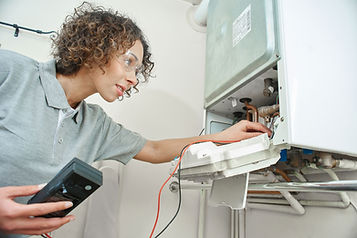
Keeping up with home maintenance is hard enough—but knowing when everything in your home is due for replacement? That’s an entirely different level of chaos. From appliances to roofing to systems hiding behind your walls, every part of your home has an expiration date. And missing those windows can quietly drain your bank account through inefficiency, surprise breakdowns, and preventable repairs.
This guide breaks it all down into a clear, room-by-room appliance lifespan chart and home maintenance schedule so you finally know what’s overdue, what’s next, and what you can safely ignore (for now).
Your Whole-Home Replacement Timeline
Below is your brutally honest breakdown of how long the things in your home actually last. Some items will surprise you. Some will terrify you. All of them will make you realize why staying proactive matters.
Kitchen Replacement Lifespans
The kitchen is full of hardworking appliances that see heavy daily use. Many don’t last nearly as long as homeowners expect.
Refrigerator: 10–14 years
Dishwasher: 8–12 years
Microwave: 7–10 years
Electric Range: 13–17 years
Gas Range: 15–20 years
Garbage Disposal: 8–12 years
Range Hood: 10–15 years
Kitchen Faucet: 10–12 years
Cabinets: 20–30 years (but hinges/soft-close mechanisms: 5–10 years)
Countertops: 10–15 years depending on material
Warning: Dishwashers and disposals often fail silently before breaking—meaning they can leak small amounts of water for months and ruin cabinets or flooring.
Bathroom & Plumbing Replacement Lifespans
Bathrooms face moisture, mineral buildup, and daily wear.
Toilet: 10–15 years
Toilet Wax Ring: 5–10 years
Bathroom Exhaust Fan: 7–10 years
Showerhead: 7–10 years
Water Heater (Tank): 8–12 years
Tankless Water Heater: 18–22 years
Main Plumbing Supply Lines: 40–70 years (depending on material)
Shutoff Valves: 8–12 years
Bathroom Faucet: 10–12 years
Watch for: slow drains and hairline cracks—they often signal bigger issues waiting to happen.
HVAC & Whole-Home Systems
These are the systems that can blow up your budget when they fail.
HVAC System: 12–18 years
Furnace: 15–20 years
Air Conditioner: 10–15 years
Heat Pump: 10–15 years
Thermostat: 10 years
Ductwork: 15–20 years
Air Purifier/Dehumidifier: 5–10 years
Neglect = expensive: Dirty filters and blocked vents shorten system life by up to 30%.
Structural & Exterior Lifespans
Some of the largest replacement costs live on the outside of your home.
Roof (Asphalt Shingle): 20–25 years
Roof (Metal): 40–70 years
Gutters: 15–20 years
Windows: 20–30 years
Exterior Paint: 5–10 years
Decking (Wood): 10–15 years
Decking (Composite): 25–30 years
Siding: 20–40 years depending on material
Don’t skip inspections: A small roofing issue can become a $15,000 replacement.
Electrical & Safety Systems
These components keep your home safe—but degrade quietly.
Smoke Detectors: 10 years
CO Detectors: 5–7 years
Electrical Panel: 25–40 years
Wiring: 50–70 years (if copper)
GFCI Outlets: 10–15 years
Light Fixtures: 10–20 years
Hidden danger: Old panels and outlets are top sources of electrical fires.
Laundry Room Lifespans
These appliances work hard and break harder.
Washer: 10–13 years
Dryer: 10–16 years
Dryer Vent Hose: 1–3 years
Laundry Sink/Faucet: 10–12 years
Critical note: Old dryer vents are one of the leading causes of home fires.
Why Keeping Track Matters
Most homeowners wait until something breaks—then scramble. But a structured home maintenance schedule and replacement timeline gives you:
predictable costs
fewer emergency repairs
longer appliance lifespans
increased home value
safer living conditions
The problem? Nobody wants to manage a giant spreadsheet just to keep their home from falling apart.
That’s where House Health helps.
Stay Ahead of Every Replacement with the House Health App
Keeping track of everything in your home doesn't have to feel overwhelming.
The free House Health app makes it simple by:
tracking every appliance and system in your home
sending reminders before anything is due for maintenance or replacement
preventing expensive surprises
helping you protect your largest investment
Stay in control of your home. Download the House Health app for free.


